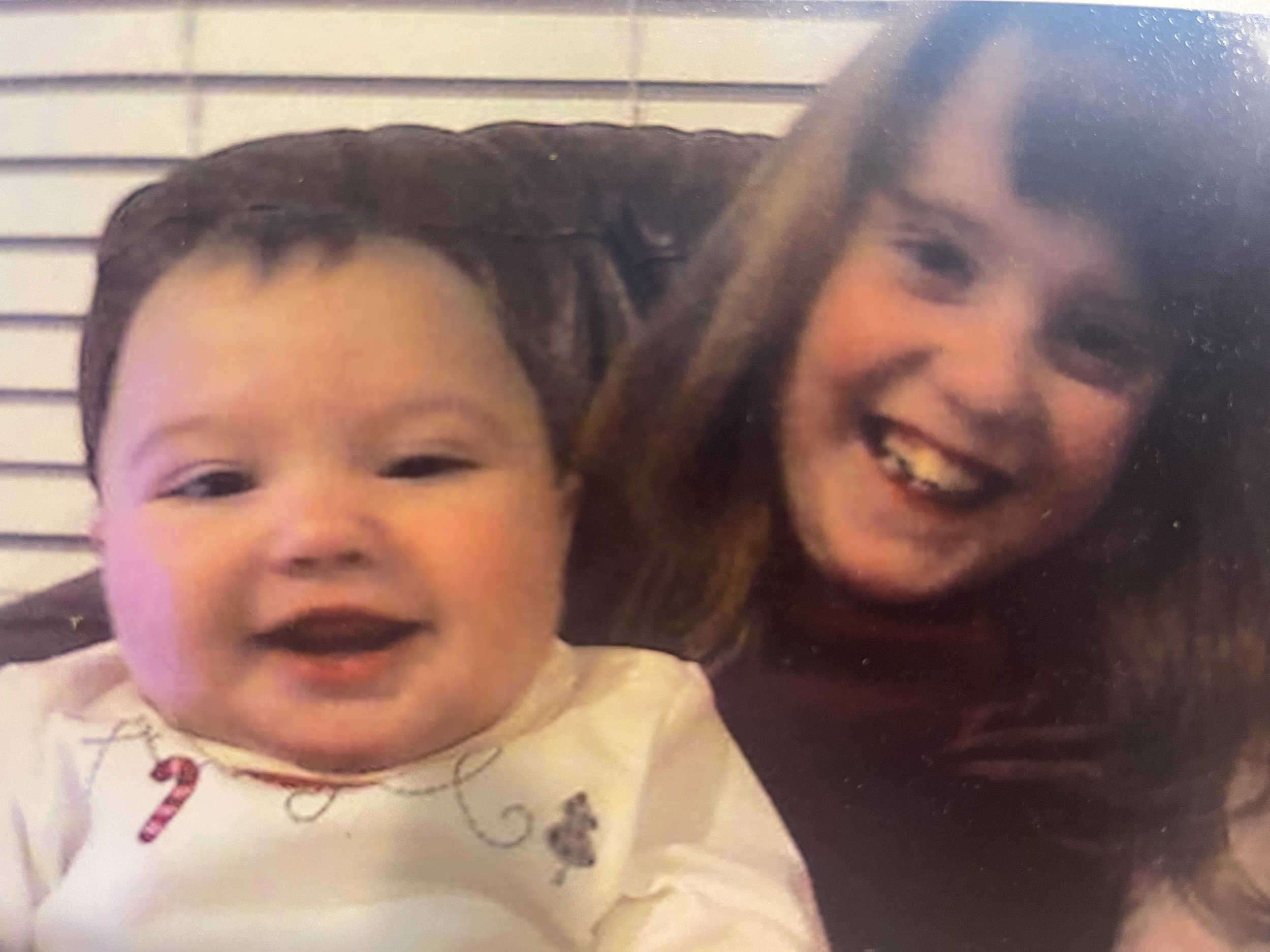
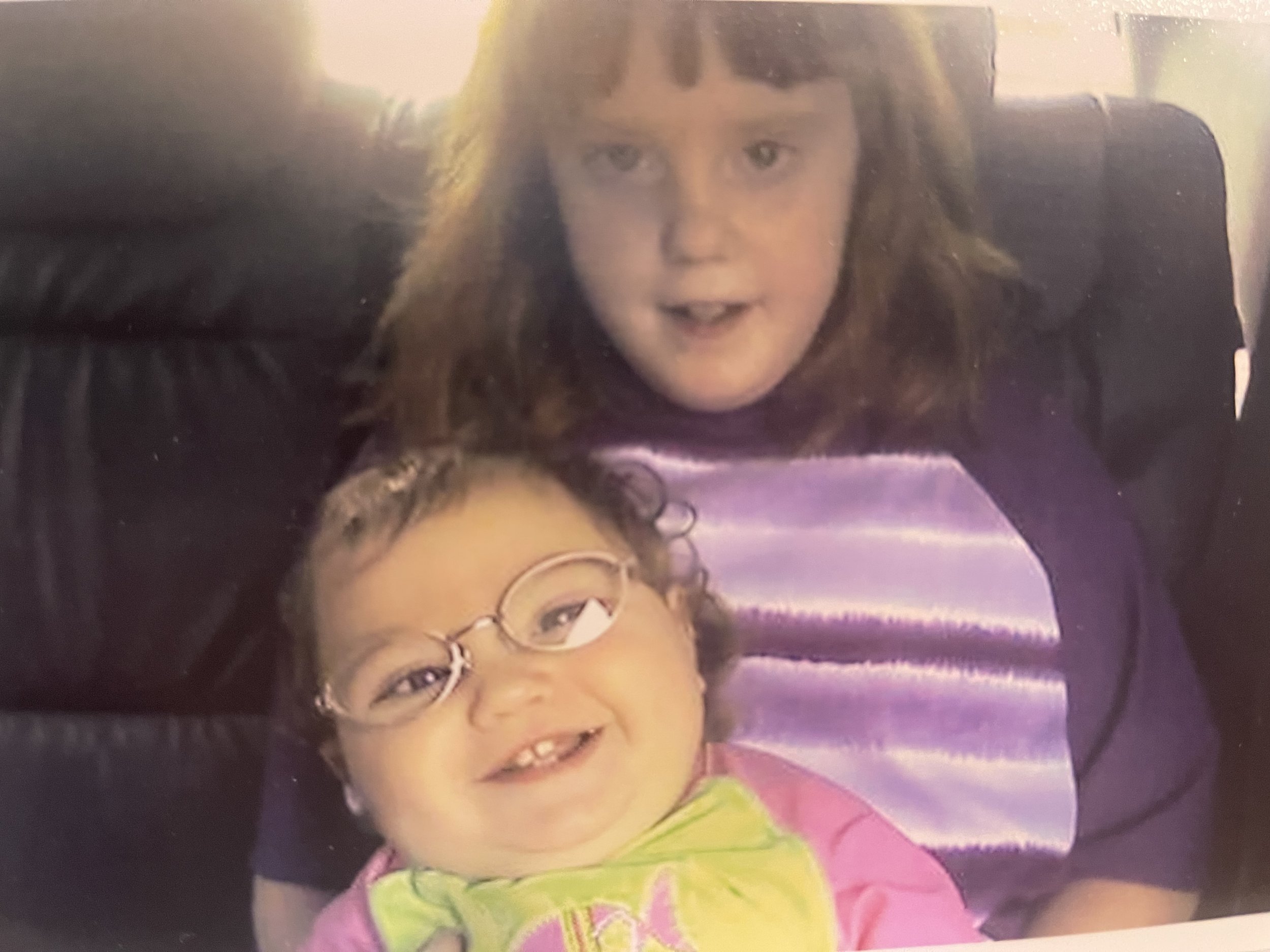
One of the most important things I’ve written.
Our kids are aging into a medical abyss because pediatricians abdicated medical care to education and psychiatry.
I’m sharing our family’s fourteen-year journey navigating PANS, autism, and autoimmune encephalitis — and the gaps that still exist in American medicine.
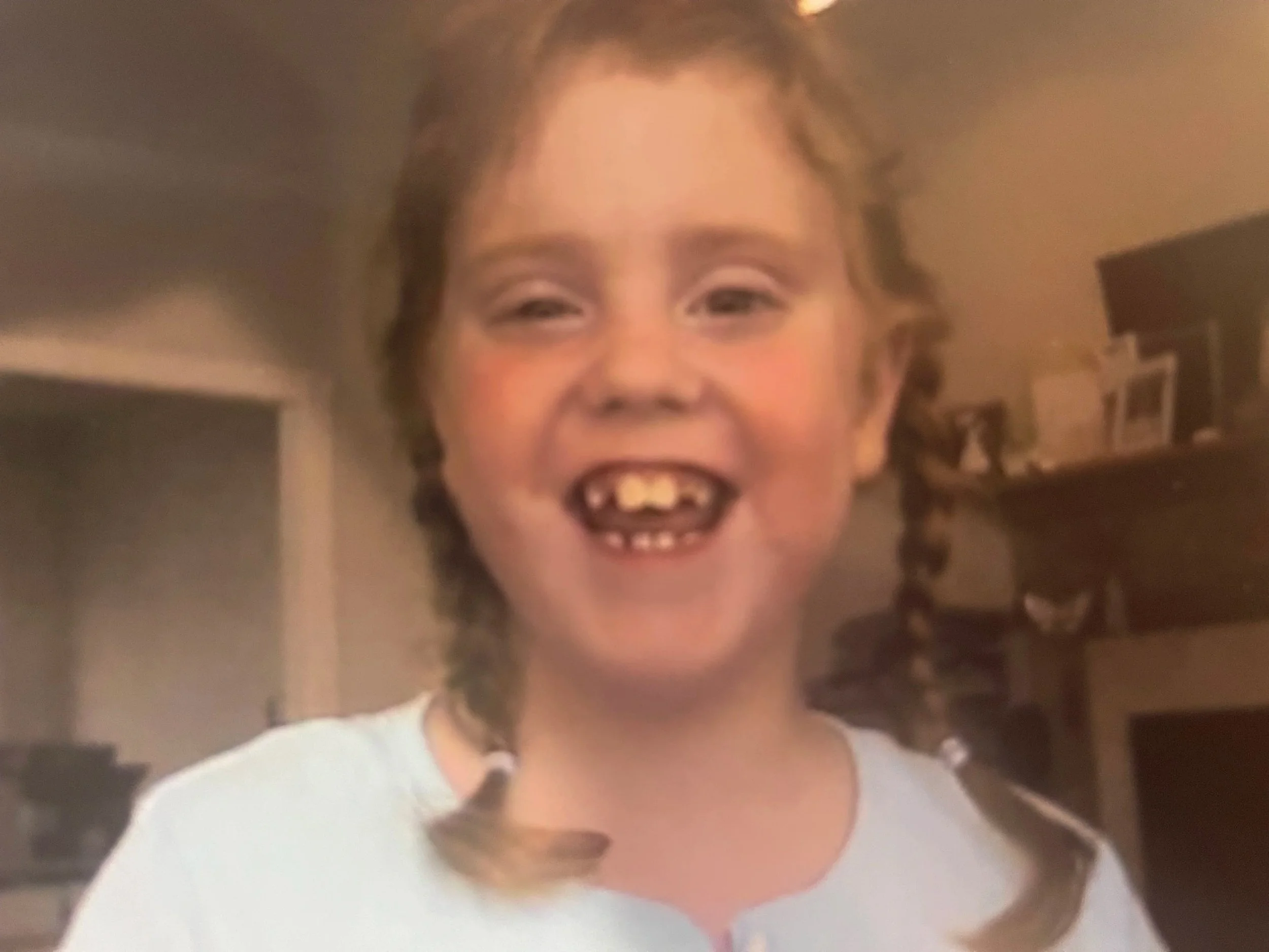
My daughter Rena will turn 25 this June.
Yesterday we went to her annual physical. My husband is a child and adolescent psychiatrist, and I’m a critical care certified registered nurse with more than two decades of clinical experience.
We understand medicine. We’ve built our careers inside it.
And yet, after an hour and a half in that exam room, something shifted in me.
For years I tried to be measured, patient, and professional when navigating the system that shaped my own career. But in that moment the frustration that had quietly accumulated over fourteen years finally poured out.
I spoke plainly.
No more polite deflection.
No more instinct to soften the reality for the sake of professional courtesy.
As both a nurse and a mother, I realized I could no longer remain comfortable acting as an apologist for a system that too often closes its doors to families asking for the care their children desperately need.
After fourteen years of searching for answers, I wasn’t asking politely anymore.
Something had changed.
In that moment it struck me again how profoundly difficult it has been for our family to navigate the healthcare system on behalf of our daughter.
If two medical professionals inside one household struggle to navigate this system, imagine what families without that background face.
When Rena was nine years old, Epstein–Barr virus triggered autoimmune encephalitis that altered the course of her life — and ours.
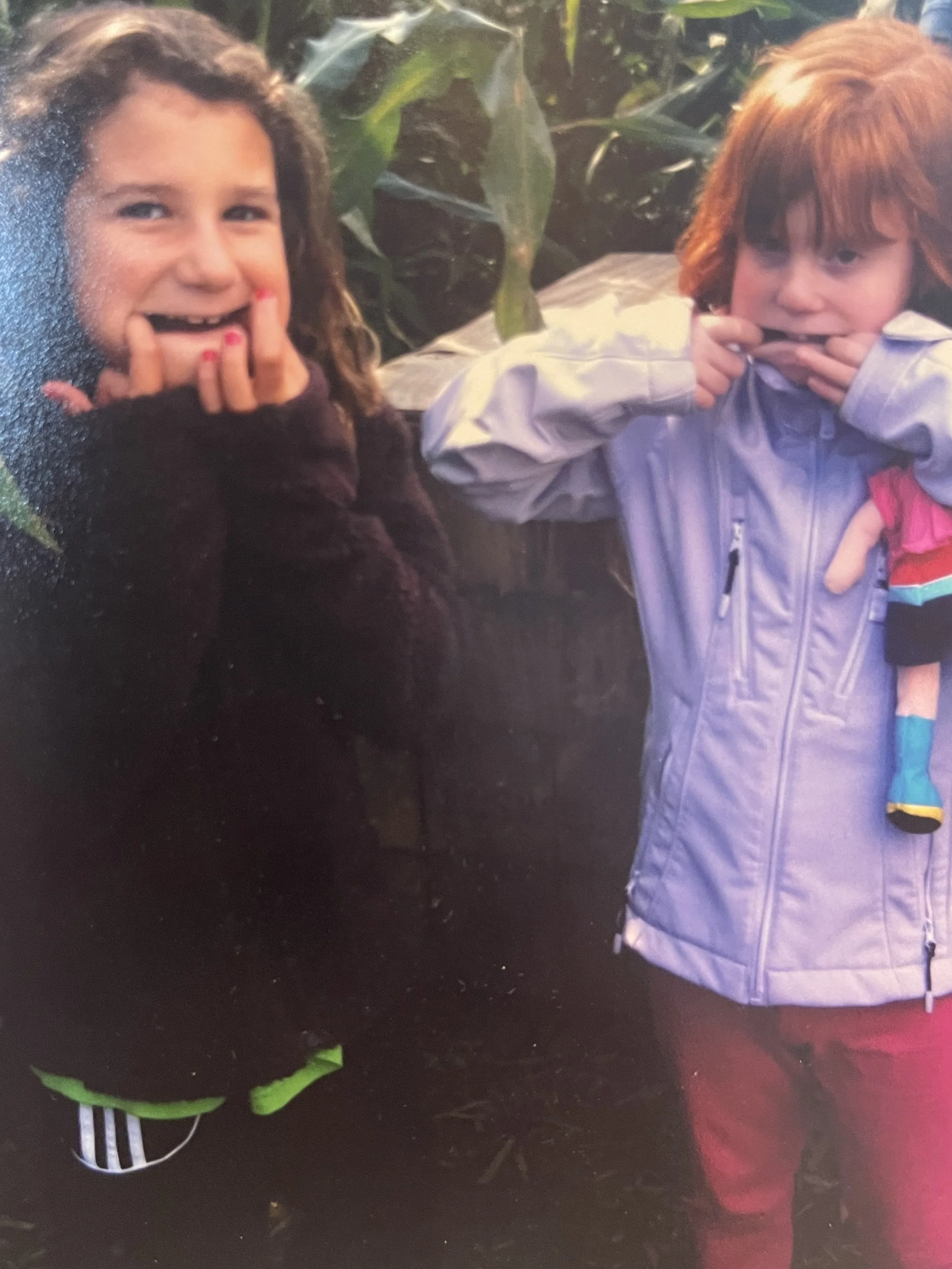
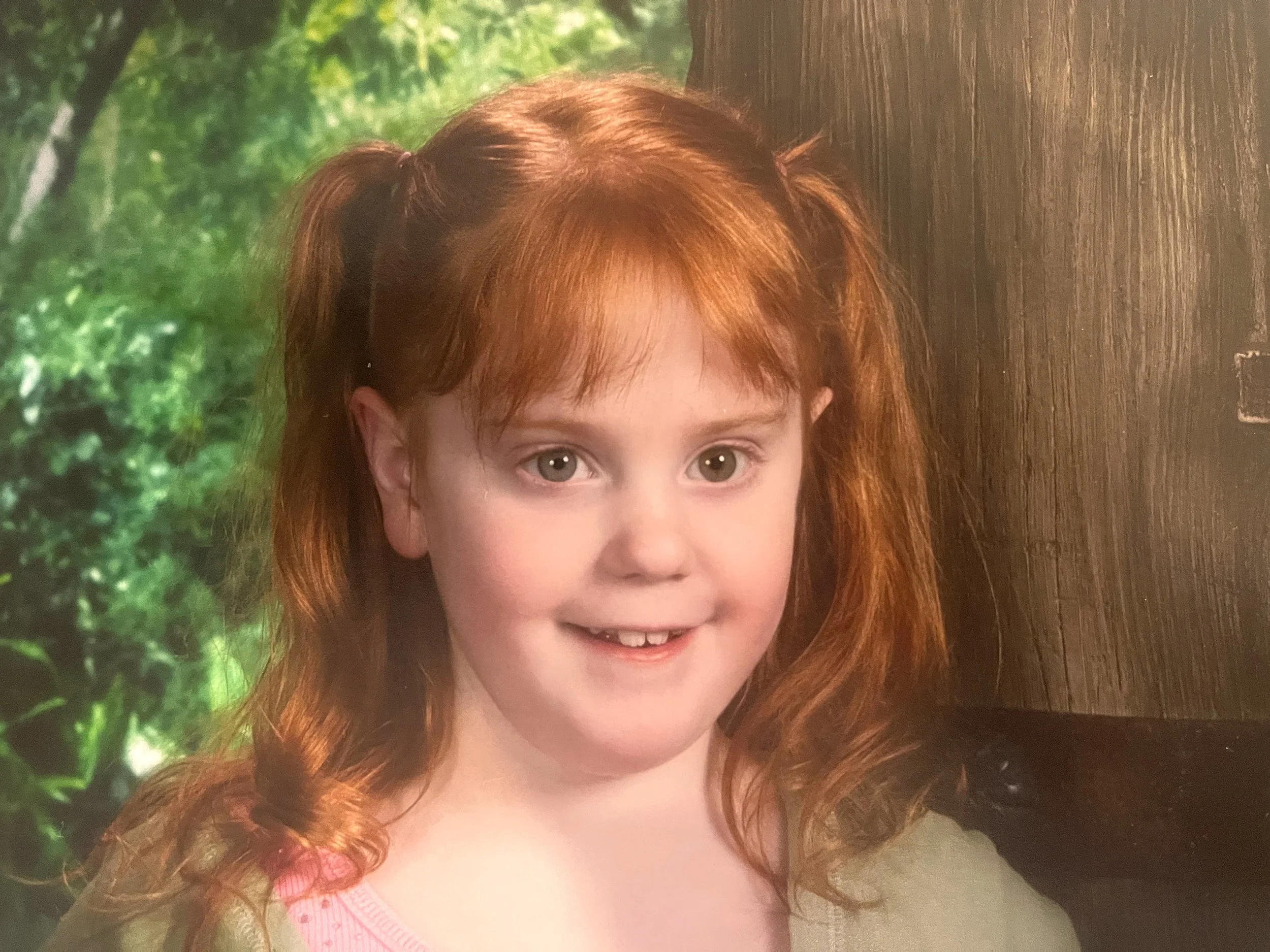
Before that illness, Rena was a bright, joyful child who loved music, laughter, and the simple rhythms of childhood. She was learning to live her life on the autism spectrum — and thriving. My beautiful red-haired, generationally stubborn daughter was happy, and for a time I could finally take a deep breath.
Like many children on the autism spectrum, she experienced the world in her own vibrant way.
Then a neurological storm changed everything.
Fourteen years later, conditions such as PANS and PANDAS are more widely recognized than they were when Rena first became ill.
But they still lack something essential: a true medical home.
Families are often left navigating fragmented systems where neurology evaluates one piece, psychiatry another, immunology another, and primary care tries to hold the threads together.
Too often, no one owns the full picture.
So families do.
Families become the care coordinators.
Families become the researchers.
Families become the ones connecting dots across specialties that rarely communicate with one another.
Our family was fortunate in many ways. We eventually found clinicians willing to engage thoughtfully with Rena’s complex presentation.
But we were not immune to the suspicion that many families encounter. In the early months of Rena’s illness we consulted with twenty-seven clinical providers along the East Coast. Three of them raised concerns suggesting factitious disorder imposed on another — an accusation that can devastate families already struggling to obtain answers.
Just two and a half months into the illness I contacted the National Institute of Mental Health and spoke directly with Dr. Susan Swedo, whose research helped define the PANDAS criteria. She agreed that Rena exceeded the clinical threshold for entry into her study at the time.
But autism was an exclusionary criterion.
That moment illustrated a painful reality: children with complex neurodevelopmental profiles often fall into the gaps between research frameworks and clinical care.
Those frameworks are often twenty years ahead of what patients can actually access.
I spent much of my career working inside the Penn State Hershey Medical Center system. I first walked through those hospital doors as a teenager volunteering as a candy striper. Years later I returned as a registered nurse in the Pediatric Intensive Care Unit working with Dr. Myers and the hypoplastic left heart team.
For decades our family also participated in Penn State Hershey Children’s Hospital THON events — witnessing the extraordinary mobilization of resources dedicated to children with cancer and other life-threatening illnesses.
Those experiences shaped my belief in medicine.
But as Rena’s illness unfolded, another realization slowly took hold.
In some ways, it would have been easier if Rena had cancer.
For pediatric cancer, we have built an extraordinary system of care. Families can access treatment at regional children’s hospitals. If specialized care cannot be provided locally, they are referred to centers of excellence like St. Jude.
The infrastructure exists. The pathways are clear.
For complex neuroimmune and neurodevelopmental disorders, those pathways simply do not exist.
Families are left assembling care themselves — traveling across states, paying out of pocket, coordinating specialists who may never communicate with each other.
And once you see those gaps from the inside, you cannot unsee them.
Over the years our family sought consultations across the country, often traveling long distances and paying out of pocket. Because only a small national network of physicians currently evaluates and treats PANS and PANDAS, families frequently travel across state lines searching for clinicians willing to engage with these complex neuroimmune presentations.
We sought care from physicians including Dr. Elizabeth Latimer, Dr. Rosario Trifiletti, Dr. Jennifer Frankovich at Stanford, and pediatric neurologist Dr. Harry Chugani — clinicians who have helped lead the clinical and research efforts surrounding PANS and PANDAS.
Like many families raising medically complex children, we were already fluent in navigating multidisciplinary pediatric systems. Rena’s younger sister Claire lives with her own complex medical challenges including spastic quadriplegic cerebral palsy and bilateral hip dysplasia, and she receives care through Nemours Alfred I. duPont Children’s Hospital.
Eventually those relationships helped us assemble a team willing to treat Rena.
She underwent two cycles of total body plasmapheresis. An additional attempt at Rituximab had to be stopped after she developed a severe hypothermic reaction.
Members of the neurology team later expressed concern that the delay in effective treatment may have resulted in permanent neurological injury.
For many families that might feel like the end of the road.
But parents of medically complex children learn quickly that giving up is not an option.
So we keep going.
Medication monitoring.
Behavioral support.
Nutritional therapy navigating ARFID.
Functional medicine.
Supplements.
Because when you are raising a child with complex neurological needs, you become the coordinator of everything.
All skate, everybody skate.
Families like ours will move heaven and earth for our children — whether they are nine years old or twenty-five.
Today, home-based care services allow Rena to live safely in our community surrounded by the people who love her.
But families should not have to fight this hard simply to obtain coordinated medical care.
What families like ours need is not extraordinary care.
We need what other serious childhood illnesses already have: a coordinated medical home where neurology, psychiatry, immunology, infectious disease, and developmental medicine work together instead of in isolation.
Until that infrastructure exists for children and adults living with complex neuroimmune and neurodevelopmental disorders, families will continue to shoulder the burden of assembling care themselves.
Rena turns twenty-five this year.
Our fight for her care never ended.
And our family is far from alone.
Across this country, families caring for individuals with complex neurological conditions are quietly holding together systems that were never designed to support them.
They deserve to be heard.
They deserve better.
And so do the children and adults whose lives depend on it.
Nicole Feaster, RN-C
State College, Pennsylvania
“A mother’s love for her child is like nothing else in the world. It knows no law, no pity, it dares all things and crushes down remorselessly all that stands in its path.”
— Agatha Christie